DC48V Off-Grid
Solar AC.
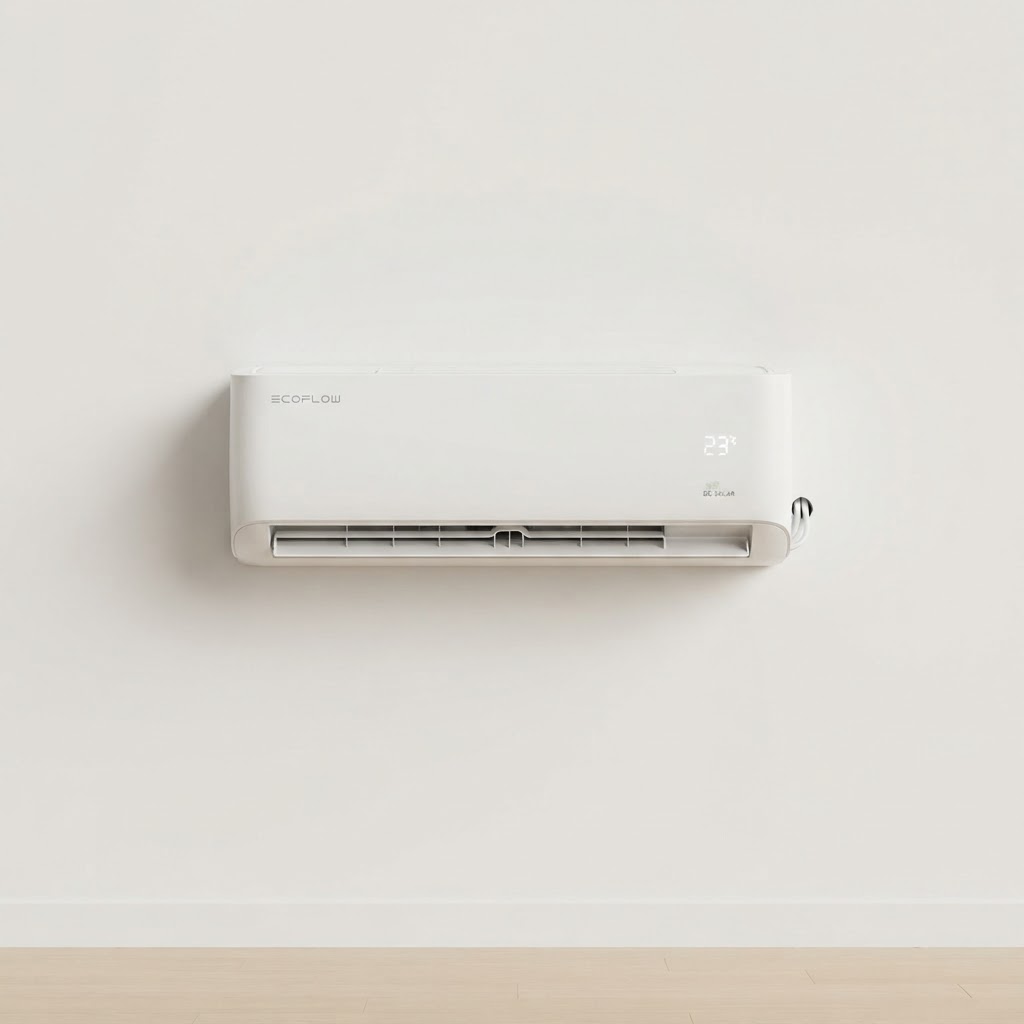
A DC48V solar AC runs on solar energy using a 48-volt DC system — solar panels charge batteries that power the inverter, which converts DC to AC to run the air conditioner. Environmentally friendly and cost-saving, it reduces reliance on traditional power sources.
Why Choose DC48V Solar AC?
Lower Energy Costs
Runs on solar power, reducing reliance on grid electricity and lowering energy bills.
Eco-Friendly
Renewable solar energy produces no greenhouse gases or harmful pollutants.
Reduced Carbon Footprint
Significantly cuts your carbon footprint for a cleaner, healthier environment.
Increased Durability
Fewer moving parts and less maintenance than traditional AC systems.
Energy Independence
Rely on solar power instead of the grid — reduce dependence on energy providers.
Noise Reduction
Typically quieter than traditional ACs — ideal for residential and commercial use.
Off-Grid AC Lineup
12000BTU DC48V Solar Air Conditioner for Home
100% off-grid 48V DC inverter solar AC that uses no electricity — reducing operating costs by up to 100% day and night.
Power Saving GMCC Compressor Off-Grid AC
GMCC compressor with battery storage — ideal for places with no power grid or power stability issues.
3P 24000BTU DC48V Off-grid Air Conditioner
Uses photovoltaic cells to convert sunlight into AC electricity. Runs on small power loads for off-grid homes.
High Efficiency 18000BTU Off-Grid Solar AC
Ideal for remote telecom stations, container houses, and motor homes — reliable cooling without a grid.
Why Switch to Solar AC?
Air conditioners and HVAC systems remove heat from inside your home through cooling and recirculation, releasing hot air and moisture outside. Solar AC units work similarly — without driving up your electricity bills in summer.
According to the U.S. Energy Information Administration, AC costs represent 12% of home energy costs, ranging from 5% in cold climates to 27% in hot-humid climates. Conventional AC systems cost over $29 billion annually and release about 117 million metric tons of CO₂ each year.
The good news: you can cut both home energy costs and your carbon footprint by choosing a solar power system. A solar AC unit suits homeowners who don't need a full solar panel installation — small roofs, condos, or solar-powered RV cooling — while a whole-home solar AC system delivers the best energy savings and return on investment.